A Tragic Loss at Lincoln Park Zoo: Understanding the Avian Flu Incident
The news from Lincoln Park Zoo in Chicago sent ripples of concern through the community and beyond, raising questions about avian influenza and its potential reach. For many, the immediate question was, "Did Flamingo Die?" Tragically, the answer is yes. Lincoln Park Zoo confirmed that a Chilean flamingo named Teal, along with a harbor seal named Slater, succumbed to highly pathogenic avian influenza (HPAI) earlier this year. These heartbreaking losses highlight the ongoing challenges posed by this virulent disease and underscore the importance of understanding its risks and safety protocols.
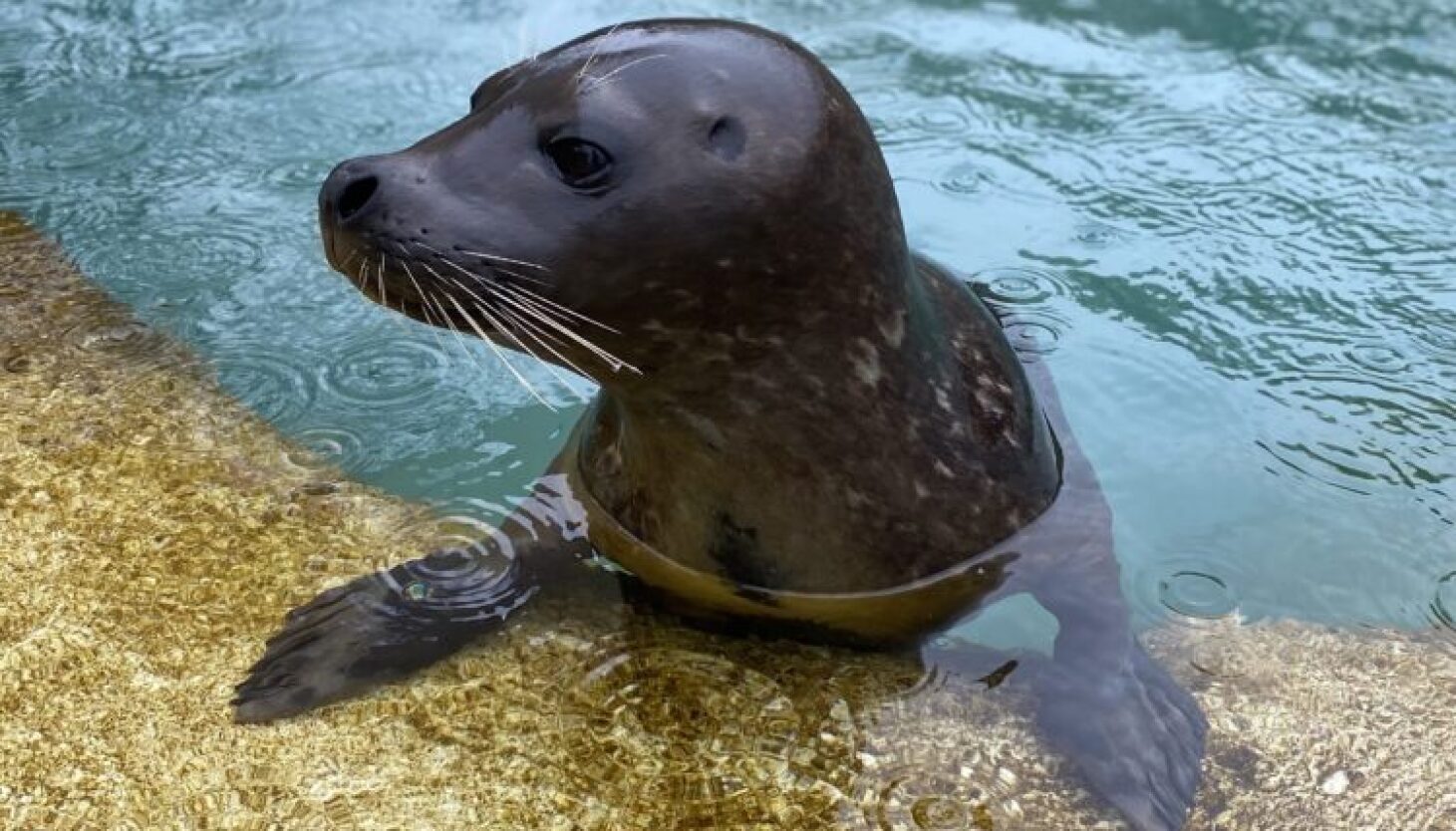
Teal, a young Chilean flamingo who had just hatched last fall and was beginning to integrate with her flock, died on January 8th. The very next day, January 9th, Slater, a beloved 7-year-old harbor seal known for his playful and curious nature, also passed away. Post-mortem examinations confirmed HPAI as the cause of death for both animals. The zoo expressed profound sadness, noting that both Teal and Slater would be deeply missed by their keepers and the wider zoo community. This incident is a stark reminder of the devastating impact HPAI can have on animal populations, both wild and captive. For more details on the specific incident, you can read our dedicated article:
Lincoln Park Zoo Flamingo Dies from Bird Flu: Details.
The Mystery of Transmission and the Novelty of Seal Infection
Zoo officials and infectious disease experts believe both animals likely contracted the virus after exposure to infected wild waterfowl. Wild birds, particularly migratory waterfowl, are natural carriers of HPAI and can shed the virus without showing symptoms, spreading it through their droppings to environments that other animals might encounter.
While HPAI has been wreaking havoc on bird populations globally—resulting in hundreds of millions of avian deaths—its spread to a harbor seal is particularly noteworthy. Dr. Robert Murphy, a professor at Northwestern University Feinberg School of Medicine Infectious Diseases, described the seal infection as "a new one. Nobody really has heard of that before." This jump of the virus into a mammalian species raises concerns among researchers about the virus's adaptability and potential for broader host ranges. While HPAI has occasionally been detected in other mammals, including foxes and skunks, the case of the harbor seal underscores the need for continuous vigilance and research into the virus's evolving nature.
What is Highly Pathogenic Avian Influenza (HPAI)?
Highly pathogenic avian influenza (HPAI), often simply referred to as "bird flu," is a severe and often fatal respiratory disease primarily affecting birds. Caused by specific strains of the influenza A virus, HPAI is characterized by its rapid spread and high mortality rates in poultry, but it also impacts wild bird populations significantly.
The virus typically circulates naturally among wild aquatic birds (like ducks, geese, and swans) without causing severe illness. However, when these wild birds transmit the virus to domestic poultry or other susceptible species, the virus can mutate into highly pathogenic forms. These HPAI strains can then cause severe disease, internal organ damage, and widespread deaths.
Global Impact and Ecological Concerns
The current global outbreak of HPAI has been devastating, leading to massive culls in commercial poultry operations to prevent further spread and resulting in significant economic losses. Beyond agriculture, the virus has taken a heavy toll on wild bird populations, impacting endangered species and disrupting delicate ecosystems. The ability of the virus to jump species, as seen with the harbor seal at Lincoln Park Zoo, adds another layer of complexity and concern. Each such jump presents a new opportunity for the virus to adapt, potentially increasing its infectivity or host range. This ecological impact extends beyond individual animals, threatening biodiversity and ecosystem stability.
Assessing Risks: Human Health and Household Pets
Amidst the concern over animal deaths, a critical question for the public is: what are the risks to humans and pets? While HPAI is highly contagious among birds, the risk to humans and most household pets remains relatively low, though vigilance is key.
Human Impact: Current Status and Future Concerns
The good news is that as of now, there has been no documented human-to-human transmission of HPAI in the United States. While there have been a small number of human bird flu cases nationwide—close to 70—these have not originated from person-to-person contact. Typically, human infections occur in individuals with direct, prolonged, and unprotected contact with infected birds or contaminated environments.
Despite the current low risk of human-to-human spread, experts like Dr. Murphy acknowledge a lingering concern. "We haven't hit the red button yet, so there's no human-to-human transmission noted to date," he stated, "But that is the fear that everybody has, that it will mutate at some point, and then we have to worry about it." This potential for mutation means that public health officials worldwide remain highly vigilant, continuously monitoring virus strains. In a proactive measure, stockpiled vaccines are available should the virus mutate and begin spreading efficiently among humans. The primary strategy for human protection currently focuses on preventing exposure to infected animals and maintaining robust surveillance systems.
Protecting Your Pets: Special Considerations for Cat Owners
When it comes to household pets, Dr. Jerry Klein, a Chicago veterinarian, emphasizes that at this point, there is not much danger to dogs. However, outdoor cats warrant special attention due to their predatory nature. "May not be the best time to have them go outside right now, if they're the ones that kind of catch birds," Dr. Klein advised. Cats that hunt and consume infected birds could potentially contract the virus.
Pet owners, particularly those with outdoor cats, should take the following precautions:
*
Keep Cats Indoors: Limiting outdoor access for cats can significantly reduce their risk of encountering infected wild birds or contaminated environments.
*
Supervised Outdoor Time: If your cat must go outside, ensure it is supervised and kept away from wild birds or areas frequented by waterfowl.
*
Food Safety: Dr. Klein also advises cat owners to keep their pets away from raw food and unpasteurized dairy products, as these could theoretically be a source of contaminants. Always opt for cooked or commercially prepared pet food.
*
Monitor for Symptoms: Be alert to any signs of illness in your cat. "If your cat has any signs of flu, like signs or change in appetite or behavior, especially if it's combined with tremors or a change in behavior, notify your vet right away," advises Dr. Klein.
*
Hygiene: Always wash your hands thoroughly after handling pets, especially if they have been outdoors.
While the risk to dogs is considered negligible, responsible pet ownership during an HPAI outbreak includes awareness and sensible precautions for all companions. For more detailed advice for pet owners, see our article:
Bird Flu Claims Zoo Flamingo & Seal: What Pet Owners Need to Know.
Lincoln Park Zoo's Response and Public Safety Measures
In the wake of the HPAI cases, Lincoln Park Zoo swiftly implemented precautions to protect its remaining animal population and assure public safety. The McCormick Bird House, which houses various avian species, was temporarily closed to visitors. This measure is standard practice in zoos during HPAI outbreaks to minimize potential exposure to the virus, which can be carried into exhibits by wild birds or even by people via contaminated footwear or clothing.
Despite these necessary closures and heightened biosecurity protocols, zoo officials stress that visiting the Lincoln Park Zoo remains safe for the public. Megan Ross, Ph.D., President & CEO and an ornithologist, affirmed, "Because highly pathogenic avian influenza is spread by free-ranging birds, it is no riskier to visit Lincoln Park Zoo than to enjoy a walk outdoors." The zoo maintains extensive biosecurity measures, including limiting contact between different animal groups, rigorous cleaning, and monitoring. They assure visitors that the zoo remains a safe place to connect with the animals in their care.
General Public Advice for Avian Flu Awareness
Beyond zoo visits, the general public should practice basic precautions to minimize any potential exposure to HPAI:
*
Avoid Contact with Wild Birds: Do not touch sick or dead wild birds. If you encounter a deceased bird, contact your local animal control or wildlife agency for proper removal.
*
Report Sightings: Report clusters of sick or dead birds to local health or wildlife authorities.
*
Maintain Hygiene: Wash your hands thoroughly with soap and water after any outdoor activity, especially if you have been near wild birds or their habitats.
*
Food Safety: Ensure all poultry and eggs are cooked to their proper internal temperature, as cooking effectively kills the virus.
These measures help safeguard both human and animal health by reducing the pathways for virus transmission.
Navigating the Avian Flu Landscape: A Community Effort
The HPAI incidents at Lincoln Park Zoo serve as a powerful reminder of the interconnectedness of wildlife, domestic animals, and human health. The challenges posed by HPAI extend far beyond a single zoo or a particular region; they represent a global ecological and public health concern. Managing this ongoing threat requires a multi-faceted approach involving continuous scientific research, robust surveillance systems, effective biosecurity measures, and active public education.
The ability of HPAI to jump species, as seen with the harbor seal, underscores the dynamic nature of viruses and the importance of vigilance. While the immediate risks to humans and most pets remain low, understanding the potential for mutation and being prepared is paramount. Community efforts, from responsible pet ownership to adhering to public health guidelines, play a crucial role in mitigating the spread of such diseases. By staying informed and practicing sensible precautions, we can contribute to the collective effort to protect animal populations and safeguard public health against the evolving threats of avian influenza.