Lincoln Park Zoo Flamingo Dies from Bird Flu: A Deep Dive into the Tragic Event and Broader Implications
The question, "Did flamingo die?" recently echoed with tragic certainty from Chicago's Lincoln Park Zoo. In a somber announcement, officials confirmed that a beloved Chilean flamingo, affectionately named Teal, succumbed to highly pathogenic avian influenza (HPAI), commonly known as bird flu. This heartbreaking loss, occurring on January 8th, was closely followed by the death of a harbor seal named Slater on January 9th, also due to HPAI. These incidents have not only deeply saddened the zoo community but have also cast a spotlight on the ongoing battle against this highly contagious virus, raising important questions about its spread, risks, and necessary precautions.
The Tragic Loss of Teal and Slater: Details from Lincoln Park Zoo
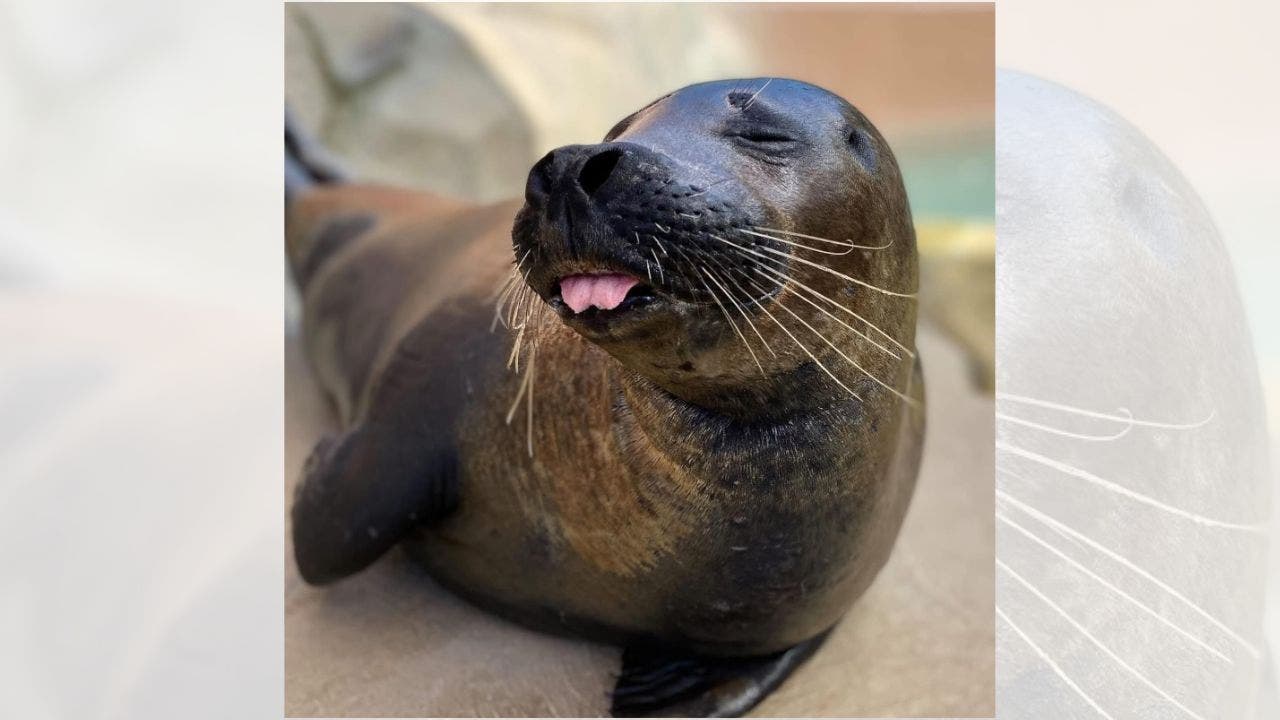
The Lincoln Park Zoo community is mourning the loss of two cherished animals whose lives were cut short by the pervasive bird flu. Teal, a Chilean flamingo who had just hatched the previous fall, was in the exciting phase of getting acquainted with her flock and keepers. Her vibrant presence, though brief, left an indelible mark. Slater, a seven-year-old harbor seal, was a familiar and adored figure at the zoo, known for his spirited and inquisitive nature. He captivated visitors and keepers alike with his quick learning abilities and engaging participation in training sessions. Both animals, according to the zoo, will be profoundly missed, representing not just individual lives but also the broader challenges zoos face in protecting diverse species from emergent threats.
The confirmation of HPAI as the cause of death for both Teal and Slater quickly followed their passing. While bird flu has devastated bird populations globally, the transmission to a marine mammal like Slater was a particularly alarming development. Infectious disease experts, including Dr. Robert Murphy, a professor at Northwestern University Feinberg School of Medicine Infectious Diseases, noted the seal's death as "a new one," indicating an expansion of the virus's known host range. Officials believe both animals likely contracted the virus after exposure to infected waterfowl, highlighting the interconnectedness of wildlife populations and the environment. This tragic answer to the question, "Did flamingo die?" serves as a stark reminder of the virus's indiscriminate reach and the ongoing vigilance required to protect vulnerable species.
Understanding Highly Pathogenic Avian Influenza (HPAI): A Broader Perspective
Highly Pathogenic Avian Influenza (HPAI) is a severe and often fatal respiratory infection that has caused unprecedented devastation to bird populations worldwide. It is characterized by its rapid spread and high mortality rates in infected birds, leading to the deaths of "hundreds of millions" globally, as noted by Dr. Murphy. This makes the outbreak at Lincoln Park Zoo part of a much larger, global ecological crisis. The virus primarily circulates among wild aquatic birds, such as ducks, geese, and swans, which can carry and shed the virus without showing significant signs of illness, acting as silent carriers that spread it to other birds and, in some cases, mammals.
The case of Slater, the harbor seal, is particularly noteworthy and concerning. While HPAI is primarily an avian disease, its jump to a marine mammal underscores its adaptive potential and the complex pathways of zoonotic transmission. Experts suggest that seals could become infected by consuming infected bird carcasses or through contact with contaminated water. This incident marks a significant expansion in the known spectrum of species susceptible to this particular strain of bird flu, signaling a need for intensified surveillance and research into its ecological implications. The ability of the virus to cross species barriers, even if infrequent, always carries the potential for further mutations that could have broader impacts. This growing understanding of HPAI’s versatility emphasizes why events like the flamingo’s death at Lincoln Park Zoo are not isolated incidents but rather critical indicators of a wider ecological challenge.
Navigating Bird Flu Risks for Pet Owners: Practical Advice
The presence of HPAI in urban environments like Chicago naturally raises concerns among pet owners. While the primary threat remains to birds, the transmission to a seal underscores the need for vigilance, particularly for pets that spend time outdoors or interact with wildlife. Chicago veterinarian Dr. Jerry Klein offers practical and actionable advice to safeguard household pets during this time.
*
Outdoor Cats: Cats, especially those with a hunting instinct, are at a higher risk due to their potential to catch and consume infected birds. Dr. Klein advises that "may not be the best time to have them go outside right now, if they're the ones that kind of catch birds." Limiting outdoor access, particularly in areas frequented by wild birds, is a crucial step.
*
Dietary Precautions: Pet owners should also be cautious about what their animals consume. Dr. Klein specifically warns against feeding pets raw food and unpasteurized dairy products, as these could potentially be contaminated. Ensure all food is cooked thoroughly or sourced from reliable, pasteurized options.
*
Monitoring for Symptoms: Vigilance for any changes in your pet's health is paramount. If your cat exhibits any flu-like symptoms, such as lethargy, respiratory issues, changes in appetite or behavior, or particularly tremors, notify your veterinarian immediately. Early detection can be critical for treatment and preventing further spread.
*
Dogs: Fortunately, Dr. Klein reassures dog owners that no dogs have been affected by HPAI nationwide to date. However, general precautions like avoiding contact with sick or dead wildlife and ensuring pets are up-to-date on routine vaccinations are always good practice.
For more detailed information on protecting your companions, consider reading our article:
Bird Flu Claims Zoo Flamingo & Seal: What Pet Owners Need to Know.
Public Safety and Lincoln Park Zoo's Proactive Measures
In response to the bird flu detections, Lincoln Park Zoo has taken swift and decisive action to protect its animals and ensure the safety of its visitors. One significant measure implemented was the closure of the McCormick Bird House, a precautionary step to minimize potential exposure for the resident bird populations. Despite these losses, zoo officials are keen to stress that visiting the zoo remains a safe activity.
Megan Ross, Ph.D., President & CEO and an ornithologist, emphasized this point, stating, "Because highly pathogenic avian influenza is spread by free-ranging birds, it is no riskier to visit Lincoln Park Zoo than to enjoy a walk outdoors." This perspective highlights that the risk comes primarily from contact with wild, infected birds, not from the zoo's managed animal populations or its general environment. The zoo has stringent biosecurity protocols in place to mitigate risks and continuously monitors the health of its animals.
Regarding human health, the situation remains closely watched. Dr. Murphy noted that while there have been nearly 70 human cases of bird flu nationwide, none have resulted from human-to-human transmission. This is a critical distinction; as Dr. Murphy puts it, "We haven't hit the red button yet, so there's no human to human transmission noted to date." The primary fear remains that the virus could mutate to become easily transmissible between humans. Fortunately, stockpiled vaccines are available should such a scenario arise, although there is currently no vaccine for animals, nor an easy test for the virus. This ongoing vigilance and proactive measures are vital for public health. For a broader understanding of the wider public health context, explore our article:
Avian Flu at Lincoln Park Zoo: Risks, Safety, and Human Impact.
Conclusion: Lessons from the Lincoln Park Zoo Incident
The tragic deaths of Teal, the Chilean flamingo, and Slater, the harbor seal, at Lincoln Park Zoo serve as a poignant reminder of the pervasive and evolving threat posed by highly pathogenic avian influenza. While the immediate answer to "Did flamingo die?" is a sorrowful yes, the incident extends far beyond the loss of individual animals, prompting a deeper understanding of HPAI's ecological reach and the critical importance of preparedness. The zoo's rapid response, including the closure of the McCormick Bird House and reassurance to visitors, underscores their commitment to animal welfare and public safety. For pet owners, heightened awareness and adherence to veterinary advice are essential to protect furry companions. And for the broader public, understanding the current lack of human-to-human transmission, alongside the ongoing concerns about viral mutation, reinforces the need for continued vigilance and support for public health efforts. As we navigate the complexities of this global health challenge, the resilience of institutions like the Lincoln Park Zoo and the expertise of public health professionals remain our strongest defenses.